Why Human Connection Could Become More Valuable Than Money in the AI Era
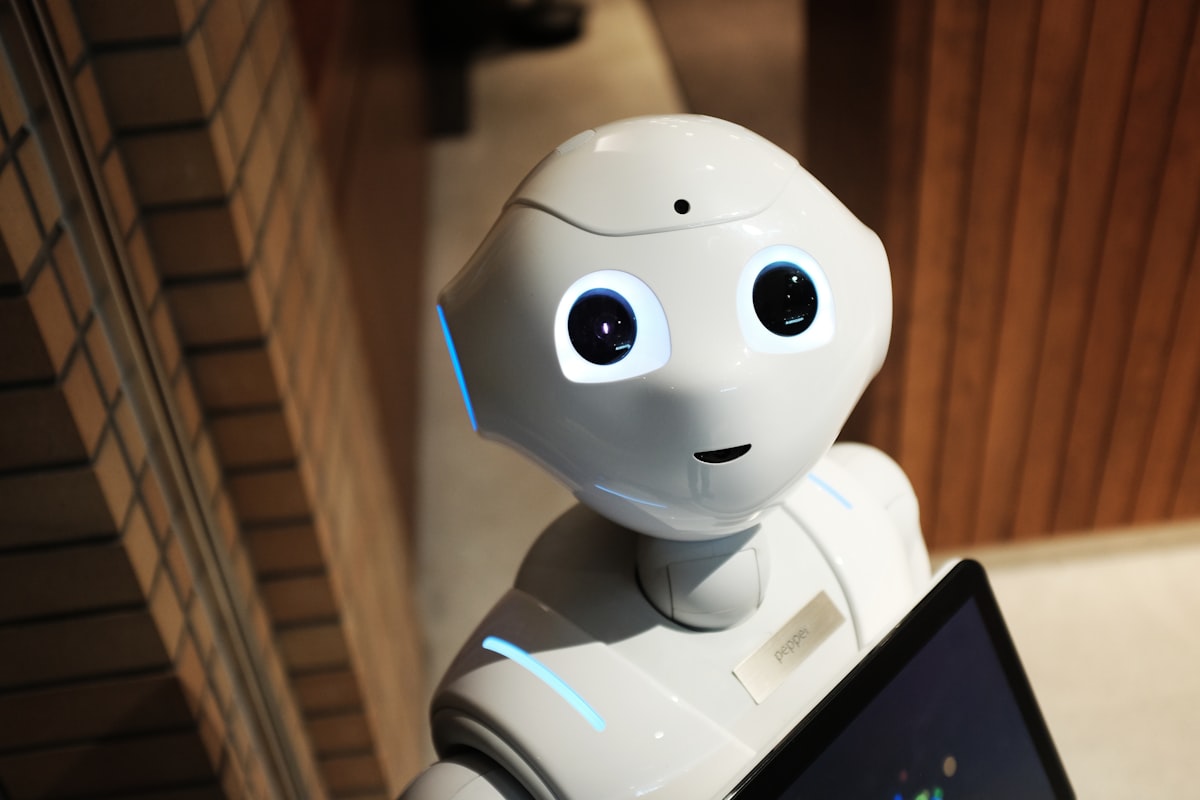
As AI automates productivity, the truly scarce resource of the future may no longer be information, labor, or money. Explore why genuine human connection, emotional wellbeing, and purpose-driven communities could become the defining values of the AI era.
Artificial intelligence is transforming nearly every aspect of modern life.
AI systems are now writing content, automating workflows, generating software, replacing repetitive tasks, accelerating research, reshaping education, and changing how businesses operate worldwide. Entire industries are entering a period of massive transition driven by automation, machine learning, robotics, and intelligent digital systems.
But beneath all the technological progress, another reality is emerging quietly in parallel.
People are becoming emotionally exhausted, socially disconnected, and increasingly isolated.
Despite living in the most digitally connected period in human history, millions of people report feeling lonely, emotionally overwhelmed, disconnected from meaningful relationships, mentally burned out, socially unsupported, and uncertain about purpose and belonging.
This contradiction is becoming one of the defining issues of the modern era.
As artificial intelligence continues to automate productivity and economic systems, many experts believe the truly scarce resource of the future may no longer be information, labor, or even money.
It may be genuine human connection.
That shift could redefine the future of society, technology, emotional wellbeing, communities, and even the global economy itself.
The AI Era Is Creating an Unexpected Human Problem
For decades, technology promised to make life easier, faster, and more connected.
In many ways, it succeeded.
People can now communicate instantly worldwide, access infinite information, work remotely, build businesses online, automate repetitive tasks, learn almost anything digitally, and connect through social platforms.
Yet something important was lost along the way.
Modern digital systems increasingly optimize for:
The result is a world where people consume more content than ever while often feeling less emotionally fulfilled.
This is why global searches related to emotional wellbeing and meaningful connection continue rising rapidly — people searching for "how to feel less lonely," "how to make meaningful friendships," "how to find supportive communities," and "meaningful online communities."
People are not only searching for entertainment anymore.
They are searching for emotional stability, belonging, safety, trust, and meaningful human experiences.

Why Human Connection Becomes More Valuable as AI Advances
Historically, economic systems rewarded productivity, labor output, and capital ownership.
But AI is beginning to automate many forms of traditional value creation:
As automation expands, society may begin valuing qualities that machines cannot fully replicate.
That includes:
These deeply human contributions may become increasingly important because they create psychological, emotional, and social stability.
In other words:
As artificial intelligence scales intelligence, human connection may become the foundation that keeps society emotionally functional.
The Loneliness Epidemic Is Already Global
Loneliness is no longer viewed as a minor emotional issue.
Many researchers, healthcare professionals, and social organizations increasingly describe social isolation as a major public health challenge affecting millions worldwide.
Modern society has created conditions where people often experience:
Even though people are constantly online, many feel emotionally unseen.
This creates a dangerous imbalance: technology is becoming more intelligent while people often feel less emotionally connected.
That imbalance may define one of the greatest social challenges of the AI era.

The Future Economy May Reward Contribution Differently
In the future, society may increasingly recognize forms of contribution that traditional economic systems often overlook.
That includes:
These activities already hold communities together.
Yet most modern systems barely measure or reward them.
This is where a new category of technology is beginning to emerge: human-centered platforms.
These platforms focus less on passive consumption and more on participation, contribution, wellbeing, collaboration, emotional support, social trust, and positive community impact.
This shift may become one of the most important technological transitions of the next decade.
The Rise of Human-Centered Technology
The first generation of digital platforms optimized information.
The second generation optimized attention.
The next generation may optimize human wellbeing.
This new category includes:
These systems aim to strengthen real-world human relationships instead of replacing them.
Rather than encouraging endless passive scrolling, they focus on meaningful interaction, emotional resilience, collective support, social trust, positive participation, and healthier digital experiences.
This shift represents a major philosophical change in technology design.
Instead of asking: "How long can we keep users engaged?"
The question becomes: *"How can technology improve human flourishing?"

Why Emotional Wellbeing Could Become a Core Economic Priority
For decades, economies primarily measured GDP, productivity, efficiency, output, and financial growth.
But societies increasingly recognize that emotional wellbeing directly affects:
Burnout, chronic stress, loneliness, anxiety, and emotional exhaustion create enormous long-term societal costs.
As a result, emotional wellbeing may become one of the most valuable infrastructure priorities of the future.
Communities that are emotionally healthy, socially connected, collaborative, trusting, and purpose-driven may become more resilient economically and socially over time.
Why Purpose and Meaning Matter More in the AI Era
As AI automates more forms of work, many people may begin asking deeper questions:
For many people, meaning comes through helping others, building relationships, contributing to communities, creating positive impact, shared human experiences, emotional connection, and belonging.
Technology alone cannot fully satisfy those needs.
This is why purpose-driven communities and human-centered platforms are gaining attention globally. People increasingly want supportive environments, healthier digital spaces, real community participation, collaborative experiences, emotionally safe ecosystems, and meaningful relationships.

How Platforms Like KindWave Reflect This Shift
Kindness Community Foundation's planned KindWave community platform (not live yet) is part of this broader movement toward human-centered technology.
KindWave is designed around:
Instead of optimizing negativity and comparison, platforms like KindWave aim to encourage uplifting experiences, supportive communities, real-world participation, collective wellbeing, and emotionally healthier interactions.
The broader vision reflects a growing belief that technology should strengthen humanity — not weaken it.

Why Younger Generations Are Searching for Something Different
Younger generations are growing up in environments shaped by algorithmic feeds, constant digital comparison, information overload, social pressure, economic uncertainty, climate anxiety, and rapid technological disruption.
As a result, many people increasingly prioritize:
This creates demand for platforms centered around trust, empathy, emotional support, positive contribution, and real connection.
The future internet may not belong only to the loudest platforms. It may belong to the most emotionally meaningful ones.
Could Human Connection Become More Valuable Than Money?
Money will always remain important.
But in a world where AI can generate content instantly, automation reduces labor scarcity, information becomes abundant, and productivity becomes increasingly automated — human connection itself may become one of the rarest and most valuable experiences.
Why?
Because authentic human relationships provide things machines cannot fully replicate:
As digital systems become more automated, people may increasingly seek environments that feel emotionally nourishing, deeply human, collaborative, purposeful, supportive, and real.
This could fundamentally reshape how future societies define value.
The Future May Belong to Communities, Not Just Platforms
The next era of technology may not be dominated solely by companies competing for attention.
It may be shaped by ecosystems that strengthen:
Platforms that successfully help people feel connected, valued, supported, purposeful, and emotionally healthier may become some of the most important systems of the future.
Because ultimately, humans are not only searching for efficiency.
They are searching for meaning.

Final Thoughts
Artificial intelligence may transform the external structure of society.
But human connection may determine whether that future actually feels worth living in.
The future will not only depend on how intelligent technology becomes. It may depend on whether people still feel connected, emotionally supported, valued, hopeful, understood, and part of something meaningful.
That is why human connection could become more valuable than money in the AI era.
Not because technology stops mattering.
But because deeply human experiences may become the most important thing technology can never fully replace.